
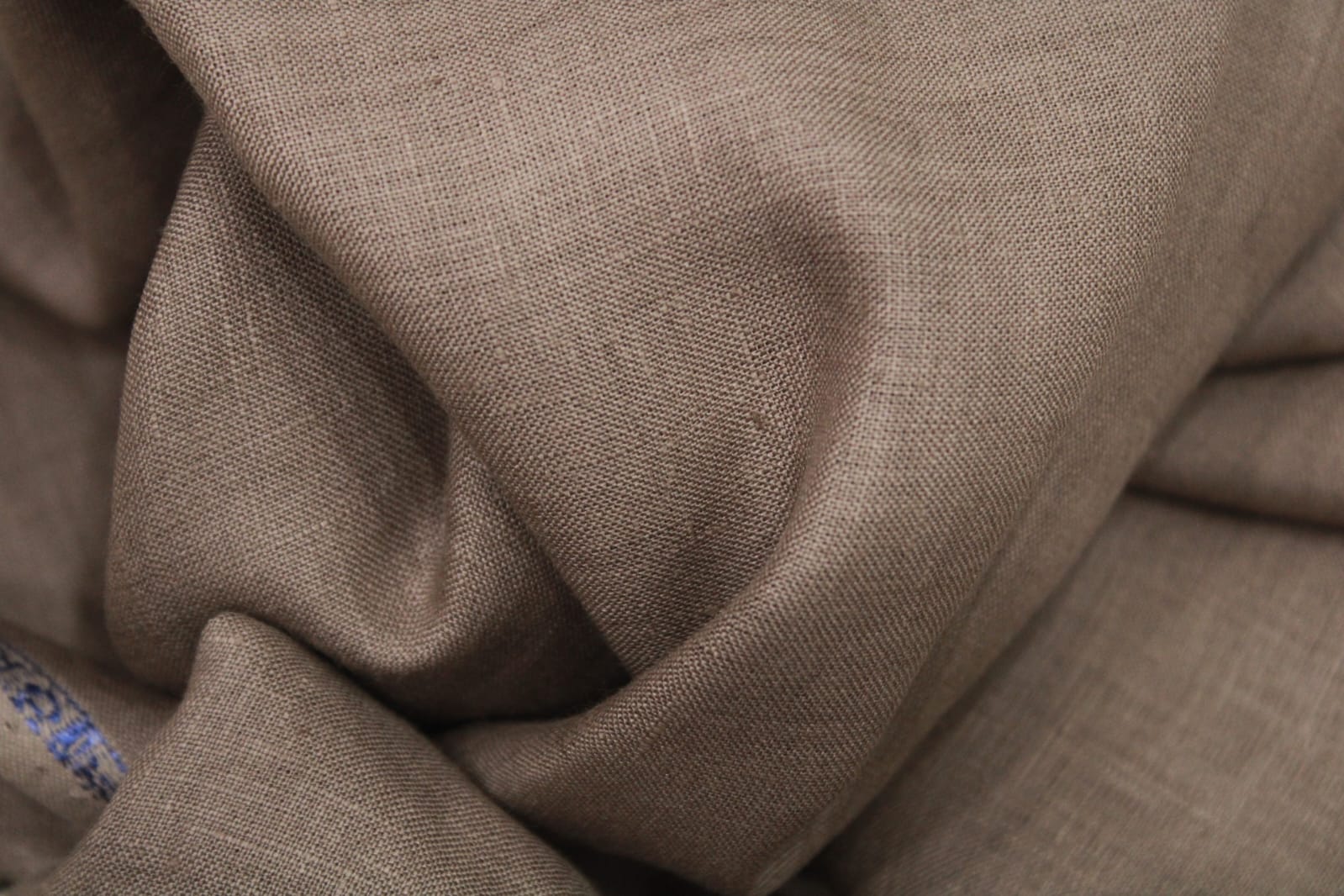
From Surat to Your Home: The Journey of Fabric at Dhyanu Linen House
Every fabric has a story: from raw fibre to finished piece, there are many hands, many steps. For lovers of textiles, understanding that journey adds value—not just aesthetic, but emotional. Let’s trace how fabrics from Dhyanu Linen House make their way into your life.
Step 1: Sourcing Raw Material
- Sourcing happens from trusted suppliers of cotton, linen fibres. Quality is crucial—thread strength, weave type, fineness, etc.
- They also deal in specialized linen fabrics like hemp linen.
Step 2: Weaving & Manufacturing
- Once yarns are ready, weaving takes place with care—density of weave, tightness, finishing. Linen especially needs precision to avoid weak spots.
- Manufacturers aim to maintain consistency in color, texture, strength.
Step 3: Quality Control & Lab Testing
- Dhyanu Linen House emphasizes lab-tested fabrics, meaning tests for durability, pilling, colorfastness. This ensures fabrics withstand washes, sun, and wear.
- Inspections and maintaining quality standards matter for both retail and wholesale customers.
Step 4: Retail & Wholesale Distribution
- They serve both B2B (shopkeepers & businesses) and direct-to-consumer (retail) customers.
- Physical showroom in Surat: GC Showroom, West Field Shopping Center, near St. Xavier School, Ghod Dod Road.
Step 5: Customer Experience & Support
- Helping customers choose right fabric: feel, weight, how it will behave with use.
- Return/refund policies and communication, especially for wholesale orders.
Why This Journey Matters
- Adds transparency: when customers know what they’re buying, trust grows.
- Promotes sustainability: better raw materials, fairer production practices.
- Enhances value: you’re not just buying fabric, you’re buying craftsmanship.
Conclusion
The fabric may start in loom halls in Surat, but its journey ends in homes—on cushions, curtains, shirts, dresses—bringing comfort, style, beauty. With Dhyanu Linen House, that journey is one built on quality, authenticity, and care.
Related posts
In the world of home textiles, the categories linen and cotton aren’t just materials—they are... Continue reading
Textile trends evolve every year, but natural fibres like linen and cotton continually re-emerge in... Continue reading


Add comment